
Inside the Reactor Pilot Program's exemption from regulatory oversight
Getting these 11 new design fast tracked: Super important. Doing it by exempting them from the NRC: Super stupid.

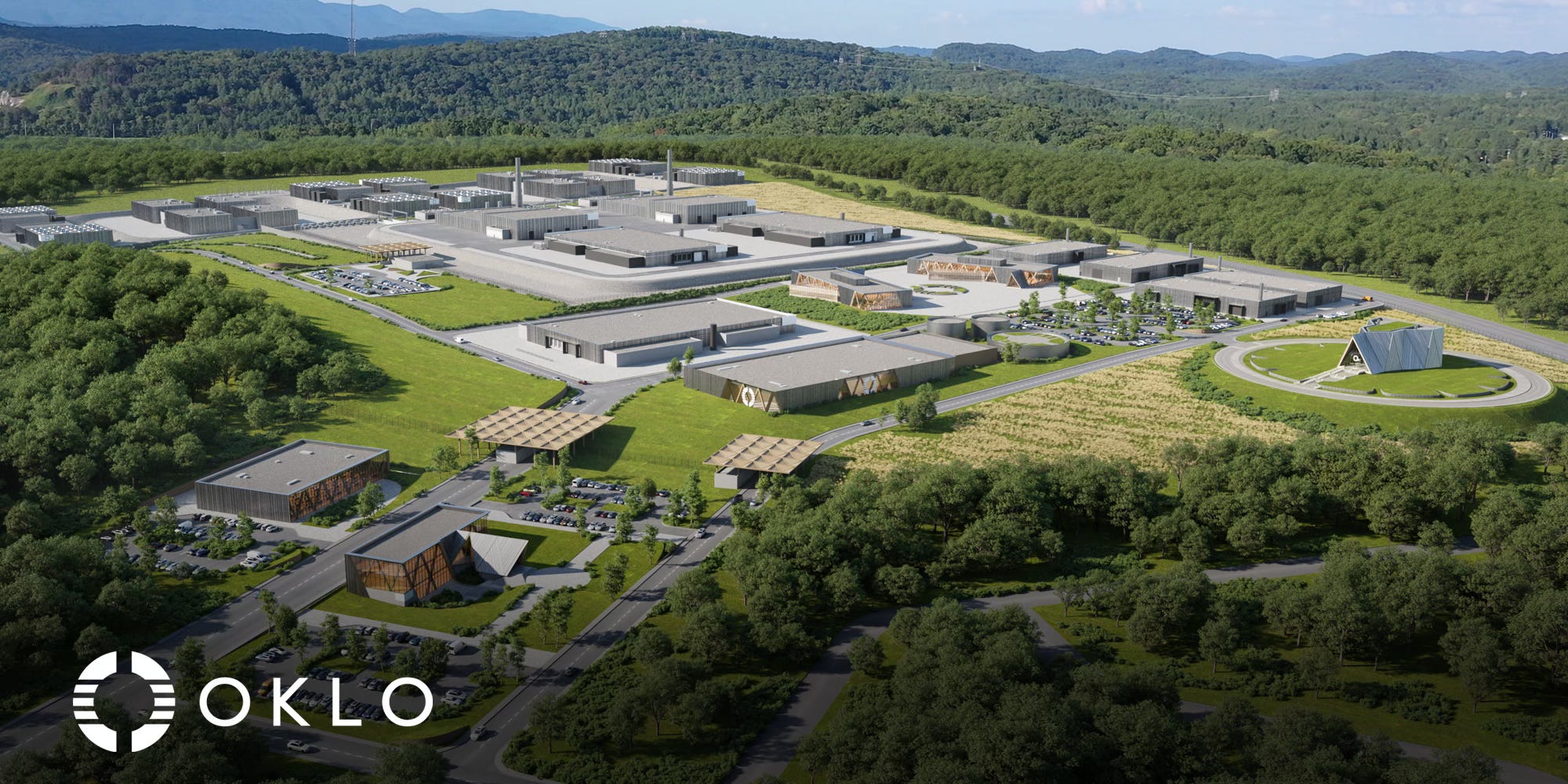
Nuclear energy occupies a weird spot. It is almost unheard-of instance of today’s political right being more closely aligned with the science than the political left. Nuclear energy is an essential component of our carbon-free future, yet the political right — in all other cases deeply opposed to carbon-free energy — supports it; while many environmental groups — typically aligned with the political left — often oppose new reactor construction for reasons that appear more rooted in anticorporatism than in any actual environmentalism.
Trumpeting fears of Generation IV reactors melting down or exploding is like protesting Tesla cars over fears of their steam boilers exploding. See my Skeptoid episode on why such fears are completely misplaced.
In May, the Department of Energy established the Reactor Pilot Program (RPP) which would fast track 11 reactor designs from 10 companies. Fast tracking means, in this case, exempting them from Nuclear Regulatory Commission oversight! Why? In order to meet the purely arbitrary goal of having at least three of them achieve criticality by July 4, 2026 — the nation’s 250th birthday; purely a vanity goal. That goal is stated in Executive Order 14301, and I personally cannot think of any worse reason to eliminate safety oversight. I’m not super worried about any serious accidents from any of these new designs, they don’t work the same way as reactors that can “melt down” and stuff like that from the 1970s. I just think it’s always a terrible idea to reduce safety and possibly cut corners on engineering and testing when there is no actual time pressure.
According to the executive order, they are exempted only during their test phase, with a promise that they’ll be subject to NRC oversight at some nebulous, unstated date in the future.
Here are the companies and the designs. Note how wild they are, and note that many of these have potential to put us back into competition with China, which is already running Generation IV reactors using some of these technologies:
